
Seeing your temperature gauge creep into the red is one of the more stressful things that can happen behind the wheel. The good news is that overheating rarely comes out of nowhere. There are usually warning signs, and in many cases it’s something that could have been prevented.
Here’s a look at the most common reasons cars overheat, and what you can do about it.
Common Causes
Low coolant levels
Coolant, sometimes called antifreeze, is the fluid that regulates your engine temperature. If levels drop too low, your engine has nothing to keep it cool and the temperature rises quickly. This is the most common cause of overheating and one of the easiest to check yourself.
You can find the coolant reservoir under the bonnet. It’s usually a translucent plastic tank with min and max markings on the side. If it’s sitting below the minimum line, top it up with the correct coolant for your vehicle. If you’re not sure which type to use, your vehicle handbook will tell you.
A coolant leak
If your coolant levels keep dropping after topping up, there may be a leak somewhere in the system. This could be a damaged hose, a failing water pump, or a problem with the radiator. Leaks aren’t always obvious, so if you’re going through coolant regularly it’s worth getting it looked at.
A blocked or damaged radiator
Your radiator disperses heat away from the engine. Over time it can become blocked with debris or corroded, which reduces its ability to do its job properly. A damaged radiator will struggle to keep your engine temperature stable, particularly on warmer days or during long journeys.
A faulty thermostat
The thermostat controls when coolant is released into the engine. If it gets stuck in the closed position, coolant can’t circulate and the engine temperature rises. A faulty thermostat is a relatively straightforward fix but it needs to be caught before it causes further damage.
Low oil levels
Engine oil doesn’t just lubricate moving parts, it also helps to manage heat. Low oil levels mean the engine has to work harder and runs hotter as a result. Checking your oil regularly is one of the simplest things you can do to keep your engine in good shape.
How to prevent overheating
Most overheating issues come down to regular maintenance being overlooked, and a few simple habits can go a long way.
Get into the routine of checking your coolant and oil levels every few weeks. It only takes a couple of minutes and it’s the kind of thing that can save you a much bigger headache further down the line. Before any long journey, it’s especially worth doing both checks before you set off rather than assuming everything is fine.
Keep an eye on your temperature gauge when you’re driving, particularly in slow moving traffic or on hot days when the engine has to work harder. If it starts sitting higher than normal, that’s worth paying attention to even if the car seems to be driving fine.
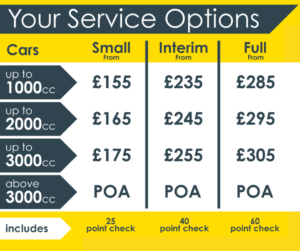
Booking your car in for a regular service is probably the most effective thing you can do. A mechanic will check your hoses, thermostat, radiator, and cooling system as part of a routine inspection and pick up on anything that looks like it could become a problem. Catching things early is nearly always cheaper and less stressful than dealing with a breakdown.
What to do if your car overheats
If your temperature gauge hits the red while you’re driving, pull over as soon as it’s safe to do so and switch the engine off. Turn off the air con if it’s running, as this puts extra load on the engine.
Do not open the bonnet straight away and never remove the coolant cap while the engine is hot. The cooling system is pressurised and removing the cap can cause boiling coolant to spray out, which can cause serious burns.
Give the engine at least 20 to 30 minutes to cool down before you check anything. While you’re waiting, if it’s safe to do so, you can open the bonnet slightly to help the heat escape more quickly. Once the engine has cooled, check the coolant level and top it up if needed.
When you do set off again, keep a close eye on the temperature gauge. If it starts rising again, pull over and don’t continue driving. Pushing on with an overheating engine can cause serious damage that is expensive to put right. At that point, the safest option is to call for breakdown assistance.
When to see a garage
If your car has overheated, even once, it’s worth getting it checked over. Repeated overheating can cause serious engine damage, and catching the underlying cause early is always the better option.
At Bodymek, we’re happy to take a look and let you know what’s going on. Give us a call on 01604 589179 for free, friendly advice, or pop in and speak to the team.