
Do you know how to plan a road trip? It’s bad enough when you have car trouble locally, or even in your own driveway. However, nothing could put a damper on those travel plans like having your car break down hundreds of miles from home.
Holidays are supposed to be a time for fun and relaxation, but the difference between pleasure and misery often lies in whether you took the proper steps to get your car ready for that long trip.
Before you leave home, there are some simple steps you can take to protect your vehicle, ensuring your car gets you from A-Z.
Car manual
Check you have your owner’s manual. This contains essential information on your vehicle including how to top up fluids, how to jump-start your car if the battery dies, and what to do if the engine overheats. If you can’t find the original copy for your vehicle, you can download a copy online.
Tyres
Inspect all tyres and, if you have one, the spare tyre as well. Look for cuts, gouges, or sidewall bulges and remember to check the tyre tread. The legal limit is 1.6mm, as soon as it is below this, the tyre should be replaced.
Check tyre pressure when the car has been idle, and tyres are cool. Inflate as needed to the vehicle manufacturer’s recommended pressure. You will find it listed in the owner’s manual and on the sticker on the inside of the driver’s side door.
Brakes
We should all understand the importance of properly functioning brakes, so keeping them maintained is essential.
Start off by checking the brake fluid level and if low, top it up – check your vehicle handbook for the correct fluid specification, but be careful as brake fluid is corrosive. Brake fluid should be changed at certain mileage intervals, again, check your handbook for service details.
Oil
Oil keeps the moving parts inside the engine lubricated while also cooling and cleaning them. This helps your car continue to run smoothly.
To check your engine oil, locate your dipstick underneath the bonnet. Make sure the oil level is between the two min and max markers at the end of the dipstick. The dipstick is usually easy enough to locate. It can be identified by the ring pull (often yellow/orange in colour) coming out of the engine.
Top the engine oil up, if need be. Be sure to use the correct type of oil recommended in the vehicle’s handbook.
Wipers and washer
Driving with a dirty or smeared windscreen is frustrating and can also be dangerous. Check your windscreen wipers for wear and replace them if needed. Remember to also make sure your screen wash is topped up sufficiently. Then you can keep your windscreen clean throughout the journey.
Don’t forget that this can be as much of a problem in summer as in winter. Squashed bugs and pollen can make a real mess of your view.
Also look out for any chips or cracks in your windscreen. If you find one, you should get it fixed as soon as possible. Small, easily repaired flaws can grow rapidly into big problems if ignored.
Lights
Fully functioning lights are essential for safe travel. Not just so you can see clearly, but also so that other road users can see you and know your intentions. Before a long journey is a good time to check your headlights, indicators, and brake lights.
Have a helper stand at the front of the car while you turn on each of the lights in succession – main beam headlights, dipped beam and indicators. Then have them stand behind the car while you apply the brakes and select reverse gear to check the brake lights and reversing light.
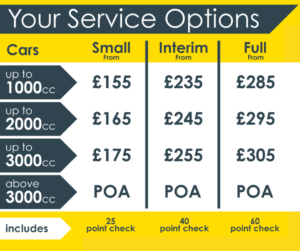
Before embarking on a long journey, it is worth running a series of checks on your car to ensure it is equipped for the drive and in good shape. If you don’t feel confident doing the checks yourself, you can always bring it in to us where one of our expert mechanics can take a look and ensure everything is running efficiently.